Bringing a new product or service to market has an excitement all of its own. The date gets set, the team picks up speed, campaign ideas start flying. That energy is valuable, but in the rush it can also lead people to skip over some basic questions.
What we call a go-to-market plan is really the team’s shared answers to those questions. Who are we going after, what are we offering, where will the customer find us, and what happens next? In this piece, we want to walk through the questions we think are worth asking when you prepare for a launch, not as a checklist, but as a conversation.
Is everyone picturing the same customer?
Asking “Who are we selling to first?” in a launch meeting is always a good idea. The answers usually come quickly, but sales may describe one customer, marketing another and the product team a completely different one. That is natural, because every team sees the customer through its own window. The problem is when nobody notices the difference until launch.
We suggest describing that first customer as concretely as possible. “SMEs” or “companies going digital” describe a huge universe. For a first step, it is usually more productive to look for the group where the product creates value fastest and that can make a decision soonest. Who, in which role and in what situation, needs this product? A definition that narrow can feel daunting at first. But a narrow start sharpens both the message and the channel, and there is time to broaden out later.
Does the customer want to solve this problem now?
The fact that a problem exists doesn’t mean customers will want to solve it now. Plenty of good products sit on the “nice to have” shelf. So before launch, it is worth trying to understand how urgent the problem really is for the customer.
The most honest way to do that is to talk to customers. How do they solve the problem today? What do they lose if they don’t? When do they discuss it, and with whom? The questions that reach your sales and support teams are very valuable here, too. More often than not, the customer’s own words are the best market research there is.
Who is the real competitor?
When we think of competitors, we usually think of similar products. But customers also compare you with a consultant, with solving the problem in-house, with the spreadsheet they are used to, or with doing nothing at all. Very often the strongest competitor is the thought “let’s just make do for now.”
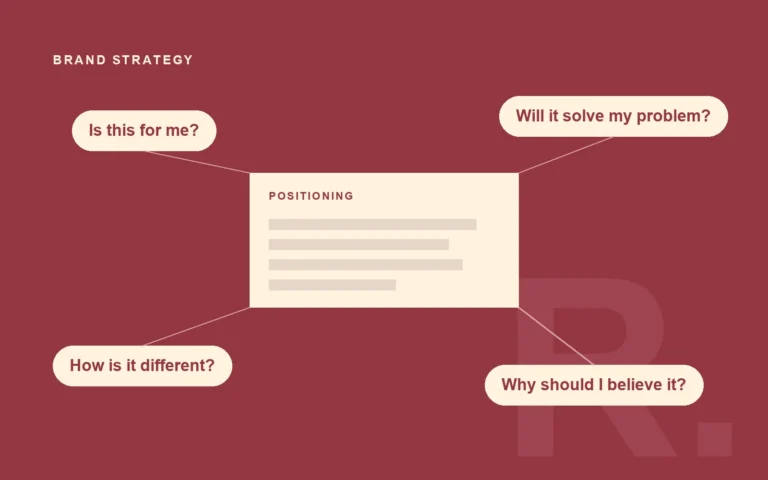
If you can explain briefly and clearly why the customer should choose you over each of these options, you are on solid ground. If you struggle to explain it, it may be worth taking another look at your positioning before the launch date. Otherwise, campaigns will get attention but struggle to give people a reason to choose you.
Does the offer make the customer’s first step easy?
For a customer trying a new product for the first time, the biggest barrier is often uncertainty rather than price: what if it doesn’t work out the way I expect? That is why we suggest thinking about the offer not only as a price, but in terms of how comfortably the customer can take that first step. A starter package with a limited scope, a trial or a small pilot can make that step easier.
It also matters that the logic behind the price is easy to understand. When customers can easily see what they are paying for, the conversation shifts from price to value.
Where will the customer look for you?
Channel planning often starts with the question “Which channels should we be on?” We like to ask it the other way round: when customers notice this need, where do they look first? Whom do they ask? How do they compare their options? Who makes the final call?
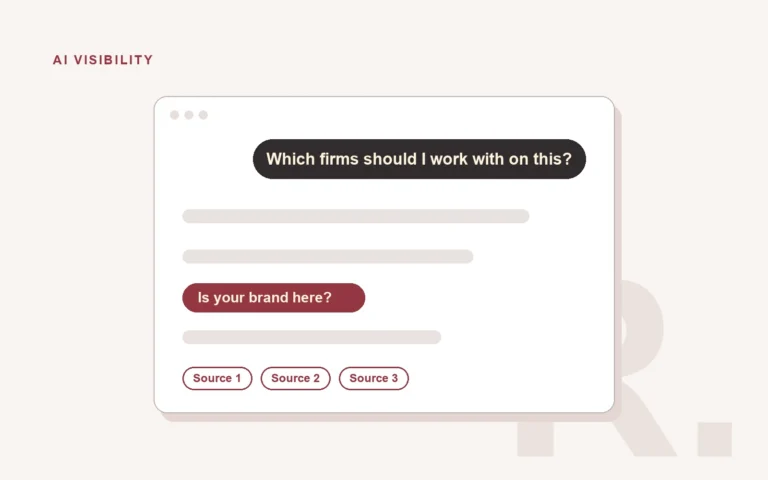
Today, part of that journey happens in search results, and part of it in the answers AI assistants give. Before launch, asking a few of the questions your target customer would ask in those places, and seeing how your category is described, can show which names and which sources are steering the conversation. It is a good starting point for shaping your content and communication priorities from the outset.
What happens the day after launch?
The easiest thing to overlook in a launch plan is what happens once interest starts coming in. How soon, and by whom, is someone who fills in the form contacted? What is discussed on the first call? How long does it take to prepare a proposal? Is the customer marketing is targeting the same one sales is talking to?
Marketing and sales sharing the same customer definition and the same story is perhaps the most important condition for a good campaign to turn into results. So is having every touchpoint the customer will meet ready on launch day, from the web page to the sales deck, from the FAQs to support responses.
How will we know what’s working?
Agreeing before launch on what you will look at also makes the discussions afterwards easier. In the first few weeks, sales figures may not tell you much yet; but inquiries from the right customers, how conversations progress and the reasons deals are lost all give early signals.
It also matters that targets have something to stand on: historical data, the early months of a similar product or a small test. A target with nothing behind it can create either needless worry or false comfort.
Know your assumptions
It is often neither possible nor necessary to have firm answers to all of these questions before launch. What matters is knowing which answers rest on facts and which rest on guesses. Every answer based on a guess is an assumption that can be tested before launch with a short customer conversation, a limited trial or a simple message test.
We see a go-to-market plan not as a document you write once and put aside, but as a roadmap that keeps being updated after launch. A good plan won’t stop you from being wrong, but it will help you notice early when you are.
If you are preparing for a launch and would like to think these questions through together, take a look at our go-to-market work.